Experiences have shown that if most car owners know simple things they can do about maintaining their vehicles, they could save themselves from the hassle. Many people advocate using an OBD2 code reader, but it is wise to know what it is all about if they really are necessary for all car owners to get one for their cars.
Basically there are two types of OBD2 code readers, and they are:
1. On-board diagnostic reader 1
2. OBD2 reader
The latest models are usually cheaper than the first ones. The OBD2 system is made up of a universal code reader and can solve problems that may arise in a car engine. This system works with all kinds of engines, as it has the ability to display the same code to everyone, regardless of car manufacturers.
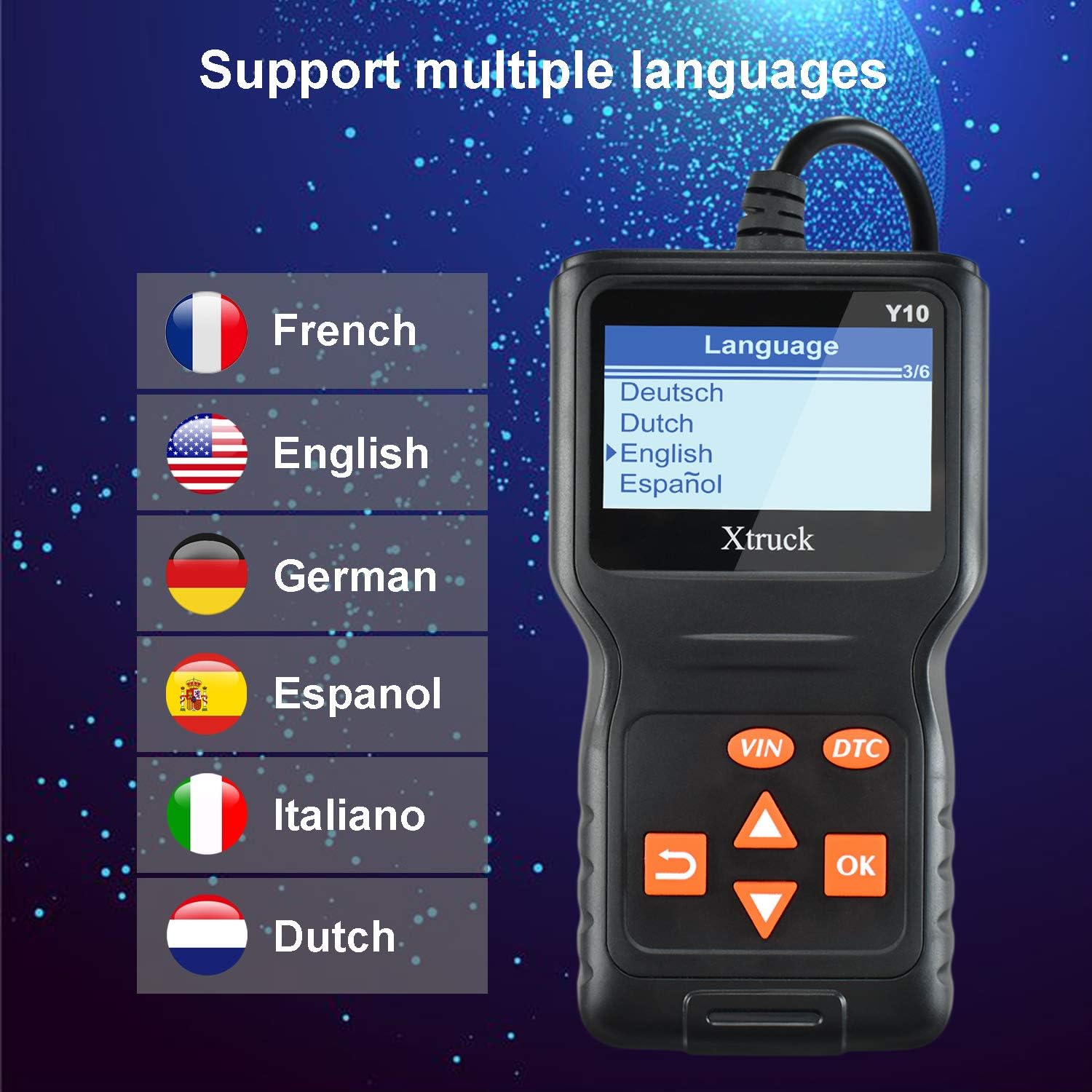
Generally speaking, the use of a car diagnostic code reader has been around for years. They are small handheld devices that can be inserted into an OBD port for diagnosing technical faults associated with vehicle emissions, especially OBD2 cars.
When inserted into its port, the LCD screen of the OBD2 scanner will display essential data associated with the engine and its specifications. Similarly, the Check Engine Light (CEL) can be done and the specifications of the O2 sensor, fuel injector, and other components can also be displayed. Most importantly, the OBD2 code reader analyzes the engine's emission readings to identify if the car complies with the Smog Emission Regulations.
Discovering the cause of the technical failure will help you know what to do to the affected part or system. Car readers can be connected to a PC to deeply understand a problem. The car owner will be able to know when a faulty component needs simple maintenance and when a part needs to be replaced. Without this diagnostic system, there will be a waste of money since the car owner may think that the replacement is the solution to a problem when in reality it is just a little repair or an ordinary adjustment of what has gone out of place.

No comments:
Post a Comment