Currently, most cars are required to be equipped with an OBD2 system, which monitors a car's performance and warns the driver of potential and current problems. To modify the fault codes, you must first connect an OBD2 reader to the car.
The OBD2 reader is available as personal handheld readers or professional readers for automotive technicians. To connect it to the car, you may need a cable or a PC with OBD2 software. Please pay attention to use the proper OBD2 reader according to different car models, and remember to turn off the engine while connecting for more safety.
Step 1: Make sure your car is online with OBD2 system.
OBD2 compliant cars will have a 16-pin female connector on the driver's side near the center console.
Step 2: Locate the 16-pin connector.
For different car models, the location of the connector also varies. It can be under the steering wheel, the driver's foot, the area between the driver and passenger seats, behind the ashtray, under the passenger seat, or above the passenger door.
Step 3: Verify that the connector has pins available.
The most essential pins are pin 4 and pin 5 for grounding and pin 16 for butter feeding.
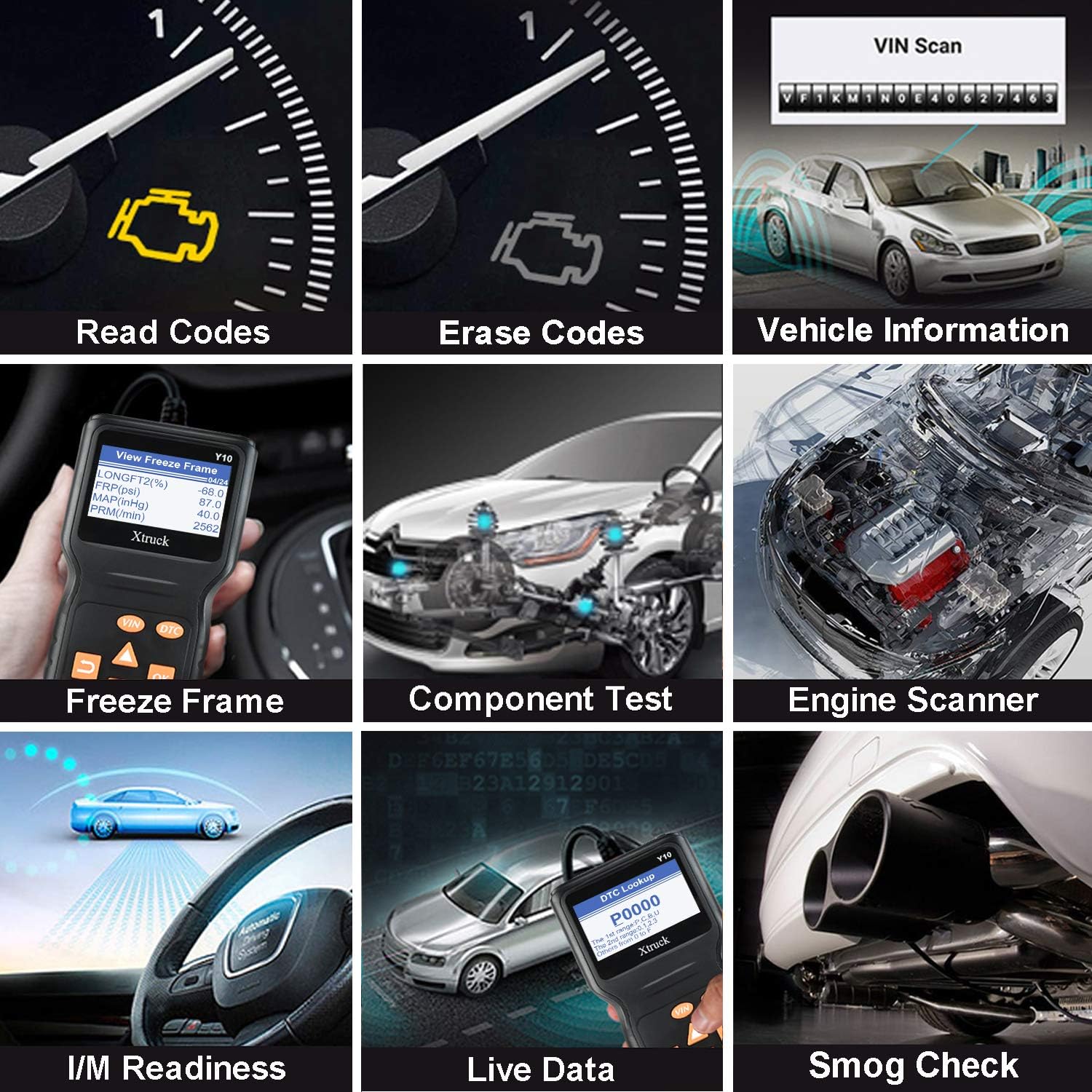
Connect the end of the cables with the 16-pin connector to the 16-pin female port, and then connect the other end of the cable to the OBD2 reader.
If you don't like buying an obd2 scan tool, you can use your PC instead, simply by connecting your PC to the car via a USB or Bluetooth connector. But OBD2 software is indispensable.
Step 5: wait for the reader to initialize.
Automatically, the reader will check your car computer to find out which protocol to use and then connect.
Step 6: Consult the service manual for an interpretation of the code.
Different OBD2 Code Reader may specialize in different function areas. When buying, consider its practical use.

No comments:
Post a Comment